Anuncios

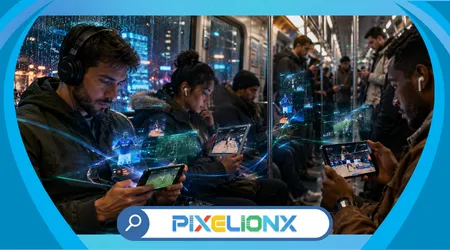
Free sports streaming apps have quietly become part of daily routine behavior for millions of people who no longer sit in front of a television at predictable times. A match starts while someone is commuting home, a race overlaps with work hours, or a playoff game suddenly becomes impossible to ignore halfway through dinner. The phone becomes the fallback screen almost by accident.
What frustrates many viewers is not the lack of options. It is the inconsistency. One app works perfectly on Wi-Fi but struggles on mobile data. Another promises live coverage but hides major events behind regional restrictions or delayed streams. Some platforms feel smooth during casual use, then collapse under pressure during high-traffic moments like finals, derby matches, or title fights.
The experience also changes depending on what people actually watch. Someone following Formula 1 every weekend behaves differently from a viewer casually opening highlights after work. Fans of international football often end up juggling several services at once because broadcasting rights remain fragmented across countries and leagues. Over time, the “simple” idea of watching sports on a phone becomes a strange mix of convenience, subscriptions, workarounds, and compromise.
That is where the conversation around free sports streaming apps becomes more practical than promotional. Most people are not searching for perfection anymore. They want reliability, manageable friction, and enough quality to avoid missing important moments while moving through normal life.
Anuncios
The Quiet Shift From Television Habits to Constant Mobile Checking
One of the more interesting changes in sports consumption is how fragmented attention has become. Many users no longer sit through full matches from start to finish. They jump between live scores, short clips, condensed highlights, social reactions, and occasional live viewing depending on what feels important at that moment.
This changes what makes an app feel “good.”
Ten years ago, picture quality alone carried enormous weight. Today, responsiveness matters more than many companies admit. A slightly lower-resolution stream that opens instantly often feels better than a pristine 4K broadcast buried behind aggressive ads, login loops, or buffering delays. Sports viewers are unusually impatient because the content itself is time-sensitive. Missing a goal by thirty seconds destroys part of the emotional value.
Anuncios
People also underestimate how much background behavior affects streaming quality. Many complaints blamed on “bad apps” actually come from overloaded phones, battery-saving modes throttling performance, crowded public Wi-Fi networks, or excessive notification activity interrupting streams. Live sports expose technical weaknesses faster than movies because there is no buffer for delay tolerance psychologically. Users notice every freeze immediately.
Another overlooked habit involves app switching. Some viewers constantly jump between messaging apps, social media, betting platforms, statistics trackers, and live streams simultaneously during matches. Older phones struggle heavily under that multitasking pressure. Ironically, the streaming platform often gets blamed even when memory management is the real issue.
Why Some Free Sports Platforms Feel Better Than Paid Services
There is a widespread assumption that paid automatically means superior. In practice, that relationship is messier.
Several free platforms focus aggressively on speed and accessibility because they know users will abandon them immediately after friction appears. Meanwhile, larger premium services sometimes become bloated ecosystems overloaded with menus, promotional banners, account synchronization layers, recommendation engines, and licensing restrictions.
The result can feel surprisingly uneven.
A lightweight app dedicated primarily to highlights, live scores, and limited live events may deliver a smoother daily experience than a massive streaming ecosystem attempting to centralize every sport simultaneously.
That does not mean free services replace premium subscriptions entirely. They usually do not. But for casual viewers or people following only specific events, free tools often cover more practical daily usage than expected.
There is also a psychological factor many companies ignore: users tolerate limitations better when expectations are realistic. A free app with occasional ads feels acceptable. An expensive subscription buffering during overtime feels infuriating.
The Apps People Actually Keep Installed Long-Term
The difference between a downloaded app and a permanently installed one is enormous.
Many sports streaming apps look impressive during the first hour. Problems emerge later. Battery drain becomes excessive. Notifications become relentless. The interface grows cluttered during major tournaments. Some apps quietly increase data usage after updates because autoplay clips and background syncing become more aggressive.
The platforms that survive long-term usage usually prioritize consistency instead of spectacle.
| App/Platform | Primary Purpose | Best User Type | Strengths | Limitations |
|---|---|---|---|---|
| ESPN | Live events, highlights, analysis | Multi-sport viewers | Reliable coverage depth, broad ecosystem | Some major content locked behind subscriptions |
| DAZN | Combat sports and live events | Boxing and MMA fans | Stable mobile streaming during live cards | Regional content differences can frustrate users |
| YouTube | Highlights and unofficial coverage | Casual sports followers | Fast access to clips and commentary | Live rights coverage remains inconsistent |
| Sofascore | Real-time statistics and tracking | Data-focused fans | Extremely fast live updates | Limited actual live streaming |
| Pluto TV | Free linear sports channels | Casual background viewing | Completely free access model | Event availability varies heavily |
What becomes noticeable after months of use is that viewers often combine several lighter tools rather than relying on one dominant app. One platform handles live streams. Another delivers statistics faster. A third becomes the default source for highlights and replay clips.
That fragmented setup sounds inefficient initially, but experienced viewers often prefer it because no single app currently handles every sports behavior well.
Ver también:
Best Apps for Watching Live TV on Mobile Devices
Top Apps to Watch Movies and TV Shows on Your Phone
Best Free Streaming Apps You Can Use Right Now
The Real Difference Between Highlights Apps and True Live Streaming
A common misunderstanding appears when users search for free sports streaming apps expecting full live coverage of every league, tournament, or fight card.
Many apps technically qualify as “sports streaming” tools while focusing primarily on delayed content, clips, commentary, or post-match coverage. That distinction matters more than advertising suggests.
For example, highlight-centered platforms feel dramatically more flexible for people with unpredictable schedules. A commuter watching condensed match recaps during breaks may gain more practical value than someone constantly chasing unstable live streams.
Live streaming becomes most important during emotionally time-sensitive events. Rivalry games, championship races, knockout rounds, transfer deadline coverage, and combat sports benefit heavily from live viewing because social conversation unfolds instantly. Everything else often survives perfectly well through condensed coverage.
Experienced users gradually realize something counterintuitive: trying to stream absolutely everything live usually creates more frustration than satisfaction.
People spend excessive time troubleshooting streams, chasing regional workarounds, or navigating low-quality broadcasts when they would honestly enjoy the experience more through reliable replays and curated highlights.
Watching Sports on Mobile Data Is Still More Complicated Than People Admit
Marketing images always show perfect uninterrupted viewing outdoors, in transit, or during travel. Real-world mobile streaming behaves differently.
Live sports consume bandwidth aggressively because movement-heavy scenes compress poorly. Fast camera transitions, crowd motion, weather effects, and field-wide action increase strain on unstable connections. Football, basketball, hockey, and motorsports expose weak networks especially fast.
The most experienced mobile viewers quietly adapt their behavior.
They lower quality manually before congestion starts instead of waiting for automatic adjustment failures. They avoid elevators, underground transport transitions, and crowded stadium exits during crucial moments. Some even intentionally delay streams slightly to reduce buffering spikes during overloaded public events.
One surprisingly effective habit involves closing social apps entirely during live streaming sessions. Short-video platforms running background processes can quietly destabilize streaming consistency even on modern devices.
The Federal Communications Commission explains how mobile network congestion and bandwidth limitations directly affect streaming reliability in practical everyday environments through its consumer guidance on broadband performance: FCC consumer broadband guidance
That gap between advertised mobile performance and realistic urban usage explains why sports viewers often develop oddly specific routines around where and when they watch certain events.
Privacy Problems Hidden Behind “Free” Sports Apps
This area deserves more attention than it usually receives.
Some free streaming apps request permissions that make little sense for sports viewing. Contacts access, microphone monitoring, aggressive location tracking, clipboard visibility, and constant background activity should raise immediate suspicion.
Experienced users tend to evaluate free platforms less by visual polish and more by behavioral warning signs.
An app overloaded with intrusive pop-ups, forced redirects, or external browser launches usually signals weak trust standards. Excessive account creation requirements for basic viewing also deserve caution, especially when combined with vague privacy documentation.
One long-term pattern becomes obvious after years of testing sports apps: trustworthy platforms rarely behave aggressively. The safest services generally feel calmer. They explain permissions clearly, avoid manipulative urgency tactics, and do not constantly push suspicious “optimization” prompts unrelated to sports viewing. The National Cyber Security Centre mobile security guidance explains how mobile apps can misuse permissions, background access, and device data when proper security practices are ignored.
One long-term pattern becomes obvious after years of testing sports apps: trustworthy platforms rarely behave aggressively. The safest services generally feel calmer. They explain permissions clearly, avoid manipulative urgency tactics, and do not constantly push suspicious “optimization” prompts unrelated to sports viewing.
Ironically, the most dangerous apps often attempt to look excessively premium.
A Realistic Mobile Sports Viewing Routine
A typical heavy-use scenario says more than feature lists ever will.
Imagine someone following Champions League football during a normal weekday. The first interaction usually starts passively through score notifications. They open a lightweight stats app during work breaks to track momentum without committing to full streaming yet.
Later, during commuting hours, they attempt a live stream using mobile data. The stream initially looks sharp, then downgrades temporarily while moving between network zones. They lower resolution manually because stability matters more than image perfection on a small screen.
At home, the viewing behavior changes again. The user connects to Wi-Fi, opens a second-screen statistics app, and starts following social commentary simultaneously. During halftime, they jump briefly into highlight clips from other matches happening at the same time.
None of this resembles the clean “single platform ecosystem” shown in advertising.
Actual sports consumption on mobile has become layered, fragmented, reactive, and heavily behavior-driven. The best apps support that reality instead of fighting against it.
Where Premium Services Actually Become Worth Paying For
Free options remain surprisingly capable for casual use, highlights, and occasional live events. The equation changes once viewing becomes routine.
People who follow full seasons closely usually hit the same friction points eventually:
- unstable access during peak demand
- delayed feeds
- regional blackouts
- inconsistent replay availability
- excessive advertisements
- unreliable stream sourcing
- poor casting support to televisions
Premium services become most valuable not because they magically improve sports itself, but because they reduce friction accumulation over time.
That distinction matters.
A viewer casually checking weekend highlights may gain little from subscriptions. Someone following multiple leagues weekly will quickly notice the mental fatigue created by unstable free ecosystems.
Still, even premium users often keep free apps installed because no subscription service dominates every category equally well. Many paid platforms remain surprisingly weak in fast highlights, live notifications, or condensed recap usability.
The Future of Mobile Sports Streaming Looks More Personalized Than Unified
Companies keep pushing toward consolidation, but user behavior suggests the opposite direction.
Sports fans increasingly build personalized viewing ecosystems around habits rather than brand loyalty. One app handles notifications. Another provides analytics. One becomes the trusted live-streaming source. Another dominates short-form highlights.
That modular behavior probably continues because sports consumption itself is becoming less linear.
Younger viewers especially seem comfortable watching partial matches, multi-game coverage, vertical highlights, real-time clips, and social reactions simultaneously. Traditional full-broadcast viewing still exists, but it no longer dominates mobile behavior the way broadcasters expected.
Oddly enough, the most successful future apps may not be the ones trying to own every piece of sports media. They may simply become the most frictionless companions inside already fragmented routines.
Conclusión
The conversation around free sports streaming apps becomes far more useful once expectations shift away from perfection. Most people are not searching for a flawless all-in-one platform anymore. They want dependable access, manageable compromises, and enough flexibility to fit unpredictable schedules and everyday movement.
Long-term usage reveals that convenience often matters more than maximum technical quality. Fast loading times, stable playback, realistic notification management, and reliable highlights frequently shape satisfaction more than ultra-high-resolution streaming claims. Sports viewing is emotional and time-sensitive, which makes friction feel disproportionately frustrating.
The smartest mobile viewers usually develop layered habits instead of relying entirely on one ecosystem. They combine live coverage, statistics apps, condensed highlights, and selective premium subscriptions based on actual behavior patterns rather than marketing promises. That approach tends to reduce stress while improving consistency over time.
Privacy awareness also matters more than many users realize. Free services can remain genuinely useful without becoming reckless. The difference often appears in subtle design decisions, permission requests, and long-term app behavior rather than flashy branding or exaggerated promises.
Ultimately, the best mobile sports experience rarely comes from chasing every possible stream. It comes from understanding which tools genuinely support the way people already watch sports in real life: quickly, inconsistently, emotionally, and often while doing several other things at once.