Anúncios

Anime streaming apps have quietly become one of the most used categories on modern smartphones, especially during the strange in-between moments people rarely talk about. Long commutes. Late nights in bed with headphones on. Fifteen-minute breaks that somehow turn into three episodes. The experience sounds simple until buffering starts, subtitles desync, episodes disappear between regions, or an app suddenly feels unusable after weeks of daily use.
A surprising number of viewers still assume the biggest platform automatically delivers the best mobile anime experience. In practice, the frustration usually comes from smaller things. Aggressive compression ruins dark scenes. Notification systems spoil episodes before people watch them. Offline downloads expire during travel. Some apps drain battery aggressively in the background without users realizing why their phones feel warm after an hour of streaming.
The growth of Anime streaming apps also changed viewer behavior itself. People no longer watch anime only at home on televisions. Entire seasons are consumed vertically in fragments throughout the day. That shift made mobile usability far more important than catalog size alone. Smooth subtitle rendering, fast episode switching, stable playback on unstable Wi-Fi, and intelligent download handling often matter more than having the largest library on paper.
After extended use across different devices, one pattern becomes obvious: the best anime app is rarely the one with the loudest marketing. It is usually the platform that creates the least friction between opening the app and actually watching something comfortably.
Anúncios
The Small Frustrations That Usually Decide Whether an Anime App Survives on Your Phone
Most people uninstall anime apps quietly.
Not because the content is bad, but because the experience slowly becomes annoying in ways difficult to describe immediately. Tiny interruptions accumulate over time. An episode resumes ten seconds too early. Subtitle styling becomes unreadable outdoors. Recommendation systems aggressively push unrelated genres after a single experimental watch session.
Mobile anime viewing exposes weaknesses faster than desktop or TV viewing does.
Anúncios
On a television, viewers often sit intentionally and watch for hours. Phones operate differently. Sessions are fragmented. Attention is divided. Connectivity changes constantly between mobile data, weak public Wi-Fi, and home networks. Apps that handle these transitions gracefully tend to stay installed for years.
There is also a behavioral pattern many users underestimate: anime viewers rewatch scenes constantly. Fight choreography, emotional dialogue, soundtrack transitions, subtle animation details — people scrub backward far more frequently than with ordinary streaming content. Poor seek responsiveness becomes exhausting surprisingly quickly.
Another overlooked issue involves subtitle timing consistency. Casual viewers may not notice slight subtitle drift immediately, but heavy anime watchers absolutely do after extended use. Once someone becomes sensitive to delayed subtitles during dialogue-heavy scenes, certain apps become nearly impossible to tolerate.
The strongest platforms usually succeed because they reduce cumulative friction rather than because they dominate every feature category.
Why Free Anime Streaming Options Feel Very Different After a Few Weeks
Free anime apps can work extremely well depending on viewing habits, but the gap between short-term excitement and long-term usability is larger than many people expect.
In the beginning, free services often feel generous. Huge catalogs. Minimal commitment. Easy sign-up. But repeated daily usage exposes the trade-offs gradually. Advertisement timing becomes repetitive. Video quality fluctuates during peak hours. Certain simulcast episodes arrive later than expected. Some platforms quietly rotate licenses more aggressively than premium competitors.
That does not automatically make premium subscriptions necessary.
For casual viewers who watch older series occasionally, free tiers are often completely sufficient. Someone revisiting classic titles during weekends may barely notice the limitations. Problems emerge more frequently among viewers following active seasonal releases where timing, consistency, and subtitle quality matter much more.
There is also a practical financial reality many people ignore. Subscribing to multiple anime platforms simultaneously becomes surprisingly expensive over a full year. Experienced viewers often rotate services strategically instead of maintaining every subscription continuously. One month for seasonal simulcasts. Another for classic libraries. Another for dubbed content.
That approach usually creates better value than blindly stacking subscriptions indefinitely.
Crunchyroll Still Dominates for a Reason, Even With Its Rough Edges
Among Anime streaming apps, Crunchyroll remains the default recommendation for many viewers because its ecosystem feels deeply integrated into current anime culture itself.
The app is strongest when viewers actively follow ongoing seasonal releases. Simulcast timing is generally reliable, and the sheer volume of available titles makes discovery easier than on most competitors. For heavy users, the recommendation engine gradually becomes more useful after consistent viewing patterns emerge.
Yet long-term usage reveals frustrations people rarely mention during quick comparisons.
The mobile interface occasionally feels overloaded. Navigation layers can become cluttered during large seasonal launches. Subtitle rendering varies across devices more than expected. Older Android phones sometimes struggle with playback transitions after prolonged binge sessions.
Even so, Crunchyroll performs extremely well where it matters most: availability, consistency, and anime-specific depth.
Its offline mode improved significantly compared to earlier years, although download management still feels less polished than mainstream video services like Netflix. Episodes occasionally fail silent verification checks during weak connectivity, something frequent travelers eventually learn to test before boarding flights.
One practical advantage many viewers underestimate is community momentum. When everyone watches seasonal episodes on the same platform, spoilers, discussions, release schedules, and social recommendations become easier to follow naturally.
That convenience matters more than feature lists suggest.
See Also:
Popular Entertainment Apps to Try Right Now
Best Short Video Apps to Pass Time Quickly
Apps That Let You Watch Movies Offline
Netflix Handles Mobile Playback Better Than Most Dedicated Anime Platforms
People sometimes dismiss Netflix in anime discussions because its anime catalog varies heavily by region. That criticism is fair, but mobile usability remains exceptionally strong.
Netflix understands smartphone behavior unusually well.
Episode downloads are stable. Compression quality remains efficient without destroying darker animation scenes. Background playback transitions feel smooth. Subtitle customization works consistently across devices. Offline viewing reliability is still among the best in the industry.
For viewers who watch anime casually alongside live-action content, Netflix often becomes the most convenient solution simply because everything exists in one ecosystem.
The recommendation system also behaves differently from anime-focused platforms. Instead of aggressively pushing seasonal trends, Netflix tends to recommend based on emotional pacing and viewing behavior. Someone who watches atmospheric psychological anime may gradually receive slower character-driven recommendations rather than endless shonen action suggestions.
That sounds minor until months of usage accumulate.
The biggest limitation is catalog inconsistency. A series available in one country may disappear elsewhere entirely due to licensing restrictions. The official explanation for regional licensing complexities is documented through Netflix Help Center licensing documentation, and it helps explain why anime availability often shifts unpredictably across regions.
For many users, Netflix works best as a complementary anime platform rather than a complete replacement for dedicated services.
Hulu Quietly Works Better for Dub Watchers Than Many People Realize
Hulu rarely dominates anime conversations online, yet its mobile experience is surprisingly practical for viewers who prioritize dubbed anime and mixed entertainment consumption.
Its strength comes from balance.
People who alternate between anime, television dramas, sitcoms, and movies often prefer Hulu because it avoids fragmenting viewing habits across multiple apps. The anime section is not the deepest, but it covers enough mainstream content to satisfy many casual and intermediate viewers.
There are drawbacks.
The mobile interface occasionally prioritizes general entertainment too aggressively, causing anime discovery to feel secondary. Seasonal organization is weaker than on anime-focused competitors. Subtitle settings also lack some of the fine-grained control experienced anime viewers prefer.
Still, Hulu tends to run smoothly even during long viewing sessions. Battery drain remains relatively controlled compared to certain anime-specific apps that push aggressive background activity.
That difference becomes noticeable during extended mobile use away from chargers.
Real-World Usage Looks Different Than Most Reviews Pretend
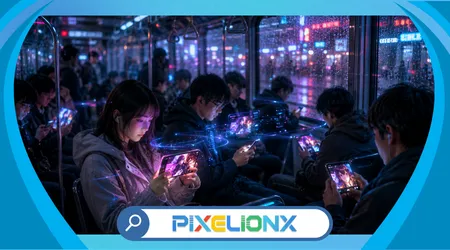
Most app comparisons happen under ideal conditions.
Strong Wi-Fi. New devices. Quiet rooms. Full battery. That is not how most people actually watch anime on phones.
A more realistic scenario looks different.
Someone downloads six episodes before leaving home, forgets to verify offline access, enters a subway system with unstable connectivity, switches between Bluetooth devices twice, then tries to continue playback later using mobile data while battery saver mode is active.
This is exactly where platform differences become obvious.
Crunchyroll occasionally struggles when transitioning between offline and online states mid-session. Netflix generally recovers gracefully. Some smaller anime apps freeze subtitle rendering entirely after connectivity interruptions. Others quietly downgrade video quality without clearly notifying the user.
There is another long-term behavior many viewers develop: background multitasking. People pause anime repeatedly while answering messages, checking social media, or navigating maps. Apps that aggressively reload episodes after temporary inactivity become exhausting surprisingly fast.
After months of repeated usage, viewers often stop caring about flashy interface design entirely. Stability becomes the feature.
Privacy, Permissions, and the Problem With Unofficial Anime Apps
Many anime viewers experiment with unofficial streaming apps at some point, especially after hearing promises about “unlimited free access” or massive hidden libraries.
That decision carries risks people routinely underestimate.
Unofficial apps frequently request invasive permissions unrelated to video playback. Contact access, persistent background activity, clipboard monitoring, aggressive notification control — these behaviors appear more often than casual users realize. According to Google’s Android app permission safety guidance, excessive permission requests are often important trust signals users should evaluate carefully.
Experienced mobile users usually pay attention to smaller warning signs instead.
Poor update consistency. Endless pop-up redirects. Suspicious battery drain. Background network usage spikes. Broken privacy policies copied from unrelated websites. These patterns tend to matter more than dramatic malware headlines.
There is also a practical reliability problem.
Unofficial anime apps disappear constantly. Servers collapse. Catalogs vanish overnight. Playback breaks after operating system updates. Users build watch histories for months only to lose everything unexpectedly.
Ironically, many people spend more time troubleshooting unreliable free apps than they would have spent watching anime on stable legal platforms.
That trade-off becomes increasingly frustrating over time.
Some Apps Are Better for Discovery, Others for Comfort
Not every anime viewer wants the same thing from a streaming app.
Some people actively chase every seasonal release and track discussion trends hourly. Others rewatch the same comfort series repeatedly while falling asleep. The ideal platform changes dramatically depending on behavior.
Crunchyroll excels at cultural immediacy. It feels connected to active anime conversation itself.
Netflix excels at passive comfort viewing. The autoplay pacing, download reliability, and polished mobile experience encourage relaxed consumption.
Smaller niche platforms sometimes outperform both in specialized categories. Certain services handle retro anime libraries better. Others prioritize dubbed releases or curated classics instead of overwhelming viewers with volume.
An unexpectedly practical strategy many long-term anime fans adopt is reducing choice overload intentionally. Instead of maintaining giant watchlists across multiple services, they commit to one primary app for several months at a time.
Viewing satisfaction often improves afterward.
Too many simultaneous platforms quietly create decision fatigue. People spend more time browsing than watching.
Comparing the Most Practical Anime Streaming Apps for Mobile Users
| App | Best For | Strongest Advantage | Biggest Limitation | Ideal User |
|---|---|---|---|---|
| Crunchyroll | Seasonal anime fans | Massive simulcast catalog | Interface clutter at times | Dedicated anime viewers |
| Netflix | Casual anime watching | Excellent mobile playback stability | Regional catalog inconsistency | Mixed-content viewers |
| Hulu | Dubbed mainstream anime | Balanced entertainment ecosystem | Weaker anime discovery tools | Casual U.S.-based users |
| HIDIVE | Niche anime fans | Unique exclusive titles | Smaller library overall | Experienced anime viewers |
| Disney+ | Select premium anime releases | Strong streaming quality | Limited anime depth | General entertainment users |
The table only tells part of the story, though.
Long-term satisfaction usually depends less on raw catalog size and more on how naturally the app fits into daily habits. An app with fewer titles but smoother playback often creates a better overall experience than a massive platform users constantly fight against.
That distinction becomes clearer after several months than during initial testing.
The Most Overlooked Feature Is Offline Reliability
Offline viewing sounds straightforward until people rely on it heavily.
Many users test downloads once, assume everything works perfectly, then encounter problems during travel. Episodes expire unexpectedly. Subtitle files fail verification. Storage management becomes chaotic. Apps prioritize video caching differently depending on device settings.
Netflix remains unusually strong here because its download system behaves predictably. Crunchyroll improved substantially, but occasional inconsistencies still appear during long offline sessions involving multiple queued episodes.
Another overlooked issue involves storage fragmentation.
Anime viewers who binge long-running series often fill device storage faster than expected because episode counts accumulate rapidly. Some apps handle automatic cleanup intelligently. Others leave partial downloads buried deep inside app storage until phones begin slowing down mysteriously.
Experienced users eventually develop simple habits that prevent most problems:
download fewer episodes at once, verify offline playback before leaving Wi-Fi, and avoid relying on automatic smart-download systems entirely.
The manual approach sounds less convenient, yet it usually works better.
Watching Anime on Phones Changed the Way People Experience Series
Anime used to feel tied to intentional viewing spaces.
Televisions. Desktops. Dedicated watch sessions.
Mobile streaming changed that rhythm completely. Episodes now fit into fragmented modern schedules. People watch openings while waiting in parking lots. Emotional finales happen through earbuds in grocery lines. Entire arcs unfold during public transportation rides.
That shift influenced the types of series people finish consistently.
Fast-paced shows often perform better during distracted mobile viewing, while slower atmospheric anime sometimes suffer on smaller screens filled with interruptions. Yet certain intimate character-driven series unexpectedly feel more personal on phones because viewers watch them alone, closely, privately.
The device itself subtly changes emotional engagement.
That reality explains why mobile usability matters so much now. Anime streaming is no longer just about access to content. It is about preserving immersion despite fragmented modern attention.
Conclusion
The best Anime streaming apps are rarely defined by a single feature. Catalog size matters. Pricing matters. Exclusive series matter. But long-term satisfaction usually comes from something quieter: reliability during ordinary daily use.
Viewers who watch anime occasionally may find free tiers completely sufficient, especially if they prioritize convenience over immediate simulcast access. Heavy seasonal viewers, on the other hand, tend to benefit from platforms designed specifically around anime release culture and subtitle consistency.
After extended usage, the practical differences become easier to recognize. Some apps feel polished during short testing but exhausting over time. Others appear visually simple yet quietly eliminate friction in ways that keep users watching comfortably for years.
There is also no universal “correct” platform anymore. Someone watching anime casually during travel has different priorities than a dedicated fan tracking every seasonal release. Trying to force one service into every viewing style usually creates disappointment unnecessarily.
The most useful approach is surprisingly practical: choose the platform that fits your real behavior, not your idealized viewing habits. People who understand how they actually watch anime on their phones tend to make far better streaming decisions than those chasing endless feature comparisons or marketing promises.