Anúncios
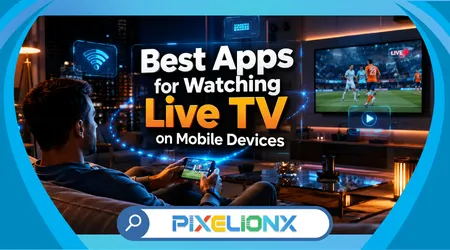
Many people searching for reliable Live tv apps mobile solutions run into the same frustrating situation: the stream freezes during an important sports moment, channels disappear without warning, or the app suddenly asks for expensive upgrades after a few minutes of viewing. Mobile streaming has become part of daily routines, but finding apps that actually work consistently is harder than it looks.
The problem gets worse on mobile networks. A live TV app that performs perfectly on home Wi-Fi may struggle badly during a commute, inside shopping malls, or in crowded public areas. Most users blame their phones first, when in reality the issue often comes from poor stream optimization, overloaded servers, or aggressive battery-saving settings interfering with playback.
Another common mistake is downloading random streaming apps simply because they appear near the top of app store searches. Many of them rely on unstable channel sources, invasive ads, or excessive permissions that quietly collect unnecessary user data. After testing multiple platforms over time, one pattern becomes clear: stability matters far more than having hundreds of channels nobody actually watches.
This article explores practical ways to choose better live TV apps, compares the strongest options for different usage styles, and explains what typically works in real-world mobile viewing situations rather than marketing-heavy feature lists.
Anúncios
When Mobile TV Streaming Starts Becoming a Daily Frustration
A surprisingly large number of users tolerate bad streaming experiences for months without realizing the problem is fixable. The warning signs usually appear gradually. Channels begin buffering more often at night, video quality drops aggressively on mobile data, or audio sync starts drifting during live broadcasts.
One easy self-check involves opening the same channel on two different apps during the same event. If one stream remains smooth while the other constantly reloads, the issue is probably not your internet speed. It is usually the app’s content delivery structure or stream prioritization.
Another overlooked problem comes from background app restrictions. Many Android devices silently limit network activity when battery optimization is enabled. Live TV apps are especially vulnerable because they maintain continuous data requests. Users often think the app is unstable when the operating system itself is throttling the connection.
Anúncios
People who stream live sports notice these weaknesses first. Delays of 30 to 60 seconds may not sound serious until notifications reveal goals or match results before they appear on screen. In practice, lower-latency streams often matter more than ultra-high resolution.
The Apps That Actually Deliver a Better Mobile Viewing Experience
Not every app serves the same audience. Some prioritize sports, others focus on local channels, while a few perform best for travelers who constantly switch between Wi-Fi and mobile data.
| App | Main Feature | Best Use Case | Platform Compatibility | Free or Paid |
|---|---|---|---|---|
| Pluto TV | Free live channels with stable infrastructure | Casual entertainment and news | Android, iOS, Smart TVs | Free |
| YouTube TV | Strong channel lineup and cloud DVR | Full cable replacement | Android, iOS, Web | Paid |
| Tubi | Lightweight streaming with low data usage | Older phones and limited connections | Android, iOS, Smart TVs | Free |
| Sling TV | Flexible channel customization | Sports and selective viewing | Android, iOS, Web | Paid |
| Plex Live TV | Integrated local media and live channels | Hybrid media users | Android, iOS, Desktop | Free/Paid |
Pluto TV works surprisingly well for users who simply want reliable background entertainment without subscription pressure. Its biggest strength is consistency. Even on mid-range phones, streams tend to recover quickly after temporary signal drops.
YouTube TV performs closer to a traditional cable replacement. The app handles channel switching efficiently and its cloud DVR system remains one of the smoothest available. According to official documentation from Google’s YouTube TV support system, the platform continuously adjusts stream quality dynamically depending on bandwidth conditions, which explains why it often recovers faster than competitors during unstable mobile usage.
Sling TV tends to attract sports-heavy viewers because of its channel flexibility. However, repeated testing shows that its experience depends heavily on internet stability. On strong Wi-Fi, performance is excellent. On weaker mobile networks, buffering becomes more noticeable than with YouTube TV.
Plex Live TV deserves attention for a different reason. Users who already organize movies or personal media libraries often appreciate having live channels integrated into the same interface. It reduces app switching and creates a cleaner viewing workflow.
Ranking the Strongest Live TV Apps for Real-World Mobile Use
1. YouTube TV
It earns the top position because of overall reliability rather than channel quantity alone. The app handles transitions between Wi-Fi and mobile data more gracefully than most competitors. Frequent travelers usually notice this advantage quickly.
Its weakness is price. Casual users who only watch a few channels may end up paying for far more than they need.
2. Pluto TV
For free streaming, Pluto TV consistently outperforms expectations. It launches quickly, works well on older devices, and avoids the unstable channel behavior common in many free competitors.
The limitation is obvious: viewers cannot expect premium sports packages or recent premium entertainment networks.
3. Sling TV
Sling TV sits in a useful middle ground. It offers stronger customization than larger cable-style services and can reduce unnecessary subscription costs.
The downside is that stream stability varies more heavily depending on regional server load and connection quality.
4. Plex Live TV
Plex appeals most to organized users who already manage personal media collections. In practice, it becomes more valuable over time as viewing habits consolidate into one platform.
Its learning curve is higher than the others, especially for users unfamiliar with media servers or content organization.
See Also:
Best Free Streaming Apps Right Now
Best Apps to Watch Movies on Your Phone
Apps to Watch Sports Content on Mobile Devices
What Daily Usage Actually Looks Like
The difference between theory and reality becomes obvious during extended mobile viewing sessions. Watching live TV for five minutes at home proves very little. Problems usually appear after 40 minutes on mobile data while moving between network zones.
A practical example involves commuting users. Someone watching morning news on a subway route often experiences rapid quality changes because the app keeps renegotiating bitrate levels. Better apps reduce these shifts smoothly instead of dropping resolution aggressively every few seconds.
Sports streaming exposes another important detail. Some apps preload larger video buffers to avoid interruptions, while others prioritize lower latency. That tradeoff changes the experience dramatically. Buffer-heavy apps feel smoother but delay live events more noticeably.
Users who multitask also notice differences quickly. Opening messaging apps while streaming can trigger mini buffering spikes on weaker devices. Lightweight streaming apps usually recover faster because they consume fewer background resources.
One non-obvious pattern appears on older Android phones: lowering video resolution manually sometimes improves total viewing quality more than upgrading internet speed. Stable 720p playback generally feels better than unstable 1080p streams constantly jumping in quality.
Why Some Streaming Apps Feel Faster Even on the Same Internet
Most people assume streaming quality depends entirely on internet speed. In reality, server distribution architecture matters just as much.
Apps using stronger CDN infrastructure distribute content through geographically optimized servers. This reduces latency and stabilizes playback during peak viewing hours. Organizations like the Federal Communications Commission broadband guide explain how network congestion and bandwidth sharing affect streaming performance, especially during heavy traffic periods.
Another overlooked factor is codec efficiency. Some newer streaming platforms compress video more intelligently, reducing bandwidth consumption without making the image look obviously worse on smaller screens.
Battery management also changes perceived speed. Aggressive power-saving modes can interrupt background network requests long before users realize what is happening. Many people replace apps unnecessarily when the real solution is disabling battery optimization for streaming platforms.
Understanding the Limits Before Replacing Your Current Setup
No live TV app completely eliminates buffering, latency, or occasional outages. Even premium services experience congestion during major sports finals or breaking news events.
Free apps especially come with tradeoffs. Lower operating costs usually mean heavier advertising, smaller content libraries, or reduced streaming priority during high-demand periods.
Another misconception involves 5G networks. While faster mobile speeds help, signal consistency matters more than peak speed. A stable 4G connection often delivers smoother live TV than fluctuating 5G coverage.
Users expecting cable-level reliability everywhere may end up disappointed. Mobile streaming still depends heavily on regional infrastructure, device optimization, and network congestion patterns.
Privacy, Permissions, and Streaming Safety
Many lesser-known live TV apps request unnecessary permissions including contacts, precise location access, and background activity rights unrelated to streaming functionality. This should immediately raise suspicion.
Apps distributed outside official stores create additional risks because channel feeds can be modified without transparency. Some users install unofficial streaming packages to access more content but unintentionally expose devices to malware or tracking software.
One practical habit that consistently reduces risk is reviewing permissions after installation instead of blindly accepting defaults. Streaming apps rarely need microphone access or unrestricted file management.
Subscription management also matters. Some free trial systems quietly convert into recurring charges with minimal notification. Experienced users usually activate reminders before trial expiration dates to avoid accidental renewals.
Trustworthy streaming services generally explain their policies clearly, maintain active support systems, and receive consistent updates over time. Abandoned apps with outdated interfaces often signal deeper maintenance problems behind the scenes.
Conclusion
Choosing the right live TV app on mobile devices depends less on marketing promises and more on understanding how people actually watch content throughout the day. Reliability during commuting, stable playback on mobile data, and smooth recovery from signal drops matter far more than exaggerated channel counts.
For users wanting simplicity and low commitment, Pluto TV remains one of the strongest free choices available today. Those replacing traditional cable services entirely will usually get better long-term value from YouTube TV despite the higher subscription cost.
The biggest improvement often comes from adjusting expectations and optimizing settings correctly rather than endlessly switching apps. Disabling battery restrictions, lowering unnecessary video resolution, and prioritizing stable connections frequently solve problems users initially blame on the platform itself.
Privacy and trust should also influence decisions. Streaming convenience is important, but not at the cost of excessive permissions or questionable app behavior. Sticking to reputable services dramatically reduces long-term frustrations.
A well-chosen live TV app eventually becomes invisible in the best way possible. Instead of constantly troubleshooting streams, users simply open the app, watch content smoothly, and move on with their day without interruptions dominating the experience.
FAQ
1. Which live TV app works best on slower mobile internet?
Pluto TV and Tubi generally perform better on weaker connections because they use lighter streaming configurations.
2. Are free live TV apps safe to use?
Many are safe if downloaded from official app stores, but users should still review permissions carefully before installing.
3. Why do live sports streams appear delayed on mobile apps?
Most apps use buffering systems to prevent interruptions, which creates delays compared to traditional broadcast television.
4. Does 5G completely solve buffering problems?
No. Network consistency and server quality matter as much as raw internet speed.
5. Which app is closest to replacing cable TV?
YouTube TV currently delivers one of the most complete cable-style experiences for mobile users.